 Courts Illustrated
JT Dettman
Director of Sales and Marketing at Austin Courts & Floors.
About
I build courts in Central Texas: pickleball, basketball, tennis and multi-sport surfaces for homeowners, schools and HOAs. Most of the people I meet have already spent weeks online trying to figure out what a court costs and who to trust.
That’s why I started writing for Courts Illustrated. Every article and video here answers a question a real customer asked me on a job site: how thick the slab should be, why some courts crack in two years, and what a fair price looks like.

- CompanyAustin Courts & Floors
- Service areaAustin & Central Texas
- CertificationsASBA member
Is this you? Request a change · Share a post
Works at
Austin Courts & Floors
Court builder serving Austin and Central Texas: pickleball, basketball, tennis and multi-sport courts, plus indoor sport flooring.
- Real personJT Dettman, identity confirmed
- EmploymentConfirmed with Austin Courts & Floors
- Completed projectsPhotos not yet reviewed
- License & insuranceVerification pending
Videos
Open channel ↗
How Do You Clean a Modular Gym Floor?
Wondering how to clean a modular sport court floor without just pushing dust and dirt around? In this video, Austin Courts and Floors walks through how to use a Court Clean tool with a damp microfiber or terry cloth…
May 28, 2026
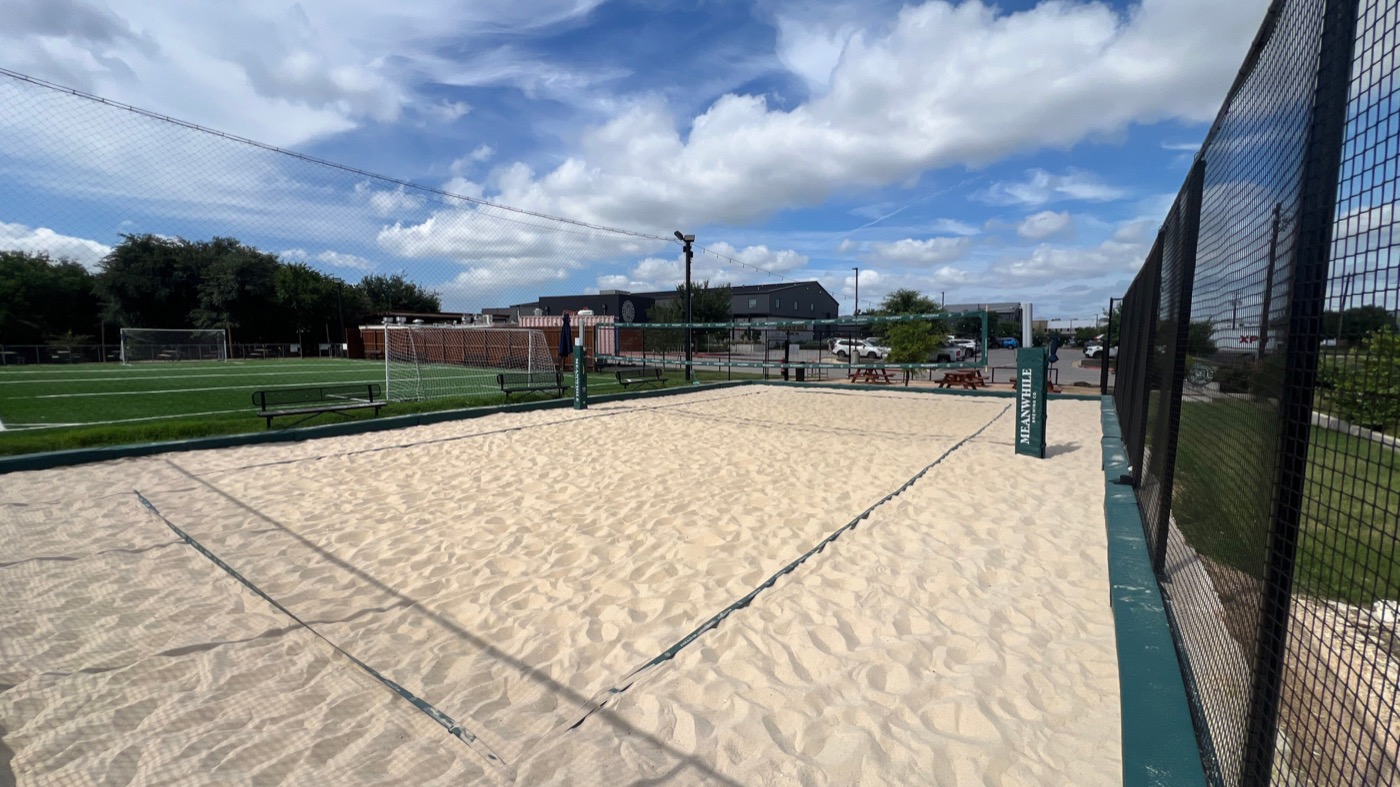
How to Build a Better Beach Volleyball Court in Texas
How much does a beach volleyball court cost? In most cases, a sand or beach volleyball court can range from about $10 to $25 per square foot, depending on the size of the court, site prep, drainage, sand depth, sand…
May 8, 2026
Is Modular Indoor Flooring Good for Pickleball?
Is modular indoor flooring good for pickleball? In this video, we test modular indoor flooring for pickleball with high-level player Kasia Carr to see how it performs in real play. We talk through ball bounce…
Apr 24, 2026
What’s the Best Indoor Sports Flooring? Wood vs Vinyl vs Rubber vs Modular
If you’re comparing indoor sports flooring for a gym, rec center, school, church, or home court, this video walks through the main options you should be considering before you invest. We cover wood sports floors, vinyl…
Apr 15, 2026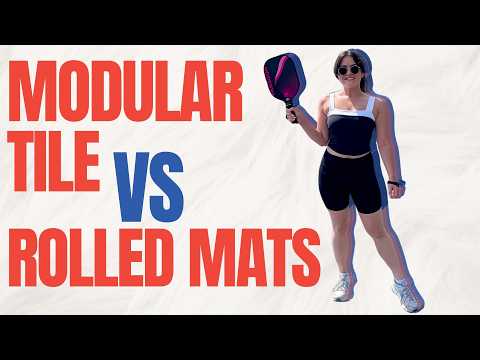
Modular Tile vs Rolled Mats for Outdoor Pickleball
What is the best surface for a rooftop pickleball court? In this Austin case study, we walk through how Capital City Pickleball evaluated its rooftop setup, the problems it was facing with rolled mats, and what it was…
Apr 10, 2026
Our Turnkey Court Build Process: Design → Build → Play
If you’re planning a basketball court, pickleball court, multi-sport court, or a larger athletic facility, this video shows exactly what it’s like to work with us—and how we handle everything end-to-end.
Mar 3, 2026
Building a Bocce Court with No Maintenance Headaches
May 7, 2025
Best Basketball Goal for your Backyard / Mega Slam vs. Dominator vs. American Eagle
Looking for the best basketball goal for your home court? In this video, Austin Courts & Floors compares three of the basketball goal brands we offer: **MegaSlam, Dominator, and American Eagle**.
Sep 2, 2026Follow along
Written by JT
How to compare three court bids line by line
Ask every builder to price hoops, surfacing, fencing and extensions separately so your board can compare apples to apples and choose what to build.
How it worksEngineered slab or standard post-tension: which does your court need?
A geotech report tells you what your soil is doing, and sometimes it tells you that fixing the soil costs more than the court.
How it worksFence details that matter: round posts, a top rail and a 4-inch inset
Three small fence choices protect players and keep post-tension slabs from cracking at the edge.
ComparisonWhat a "seven-layer" court surface really means
A rubber cushion under acrylic feels great on day one, but outdoors it's a very different floor by year ten.
ComparisonTarkett vs Taraflex: a head-to-head volleyball floor comparison
Both are good floors, but the spec sheets don't measure the same things, so here's how to read them side by side.
ProblemsOur tennis courts crack every year. Three ways to fix them
Resurfacing, an unengineered post-tension cap and a fully engineered slab each solve a different problem, and only one of them deals with the soil.
CostPour now, add shade later: the three tiers of concrete
If there's any chance you'll add a pergola or shade structure later, the middle tier costs little now and saves a cracked slab later.
ProblemsWhat to put next to your court, and why fine DG is the worst choice
Treat acrylic like stucco: keep grass and beds about two inches below the court edge, and keep quarter-inch decomposed granite away from it.
How it worksWhy we don't coat courts in winter
A new slab needs time to cure and the right ground conditions before acrylic goes on, but you can still play on it while you wait.
More from Austin Courts & Floors
- How Much Does a Backyard Game Court Cost in Austin? (2026 Price Guide)
What does a backyard court cost in Austin? Installed work runs about $25 to $35 per square foot. Budgets span $15,000 to $42,000 for a shooting court, $30,000 to $65,000 for half-court basketball, $40,000 to $80,500 for pickleball, and $120,000 to $250,000 for tennis. Modular tile surfacing is $7 to $9 per square foot.
- Tennis & Pickleball Court Resurfacing: 4 Options Compared
How should a worn court be fixed? For one 60 x 120 court, an acrylic resurface is about $20,000, a modular tile overlay $70,000 to $100,000, a post-tension concrete cap $100,000 to $200,000, and a full engineered rebuild $150,000 to $250,000. Lifespans range from 1 to 2 years up to 30-plus.
- Pickleball Court Surfaces Compared: Tile, Acrylic & Cushioned
Which pickleball surface suits a backyard? Modular tile is interlocking polypropylene about 0.5 to 0.75 inch thick, warranted 10 to 20 years, over a 4-inch rebar slab. Acrylic is a thin coating on a 5-inch post-tension slab, with color coats redone every 5 to 7 years. Cushioned acrylic adds a rubberized or foam layer.
Questions JT gets asked
Is it hard to tell if the ball is in or out on a one-color court?
No. Your eye reads the yellow ball against the white line, not against the court color. An all-one-color court with white lines plays fine. Dark or colored lines are what make calls hard.
How much slope should a court have?
We build about 99% of our courts at 1%, or 1 inch every 10 feet. That's about 3.6 inches across a 30-foot court. Flatter still drains, but slower: more ponding, more squeegeeing and more dirt staining.
When can you paint the court? Why not in winter?
A new slab needs at least 30 days to cure, and then the ground has to warm up and dry out. A slab poured in December usually gets coated in February or March. In the meantime we can put up the fence, nets and even temporary lines so you can play.
Square posts or round posts? Do we need a top rail?
Round. If someone runs into a post, they hit a blunt surface instead of a corner, and that's why sports construction standards use round posts. Get a top rail too. Without one, the fence bends when players run into it.
Why are the fence posts set in from the edge of the slab?
Posts right at the edge crack the concrete, especially on post-tension slabs. We set them about 4 inches in. That also leaves no gap where someone could roll an ankle between the fence and the slab edge.
What should go right up against the court edge?
Treat acrylic like stucco. Keep grass, mulch and beds about 2 inches below the court surface, or use a rock border, so water can't wick under the coating and peel it. Pavers can be flush. Avoid fine quarter-inch decomposed granite: it tracks onto the court and scratches it.
Portable pickleball net or in-ground posts?
Modern aluminum portable nets weigh 30 to 40 pounds, cost less, and kids can move them. The tension is a little looser. If you play a lot, in-ground posts are best. Skip the sleeves and you can still core holes later.
Can we pour the slab now and add a shade structure later?
Yes, if you build it for that now. A pergola-ready slab adds reinforcement, an interior beam and a footer wherever a column will land. It adds very little cost. Drilling posts into a plain 4-inch slab later cracks the edges off.
Do fence-mounted light bars work as well as poles for tennis?
For many courts, yes. Light bars mount on the fence and aim down, so neighbors see a hard edge of darkness, and nothing on the ends blinds the server. They're great for retrofits. For poles, three is good recreational light, four is better and six is tournament level.
Can we sell sponsor or donor names on the court to fundraise?
Yes. We can stencil names and logos and paint them on, just like the lines. For a yearly fundraiser, paint over old names instead of swapping tiles, since sun-faded tiles won't match new ones.
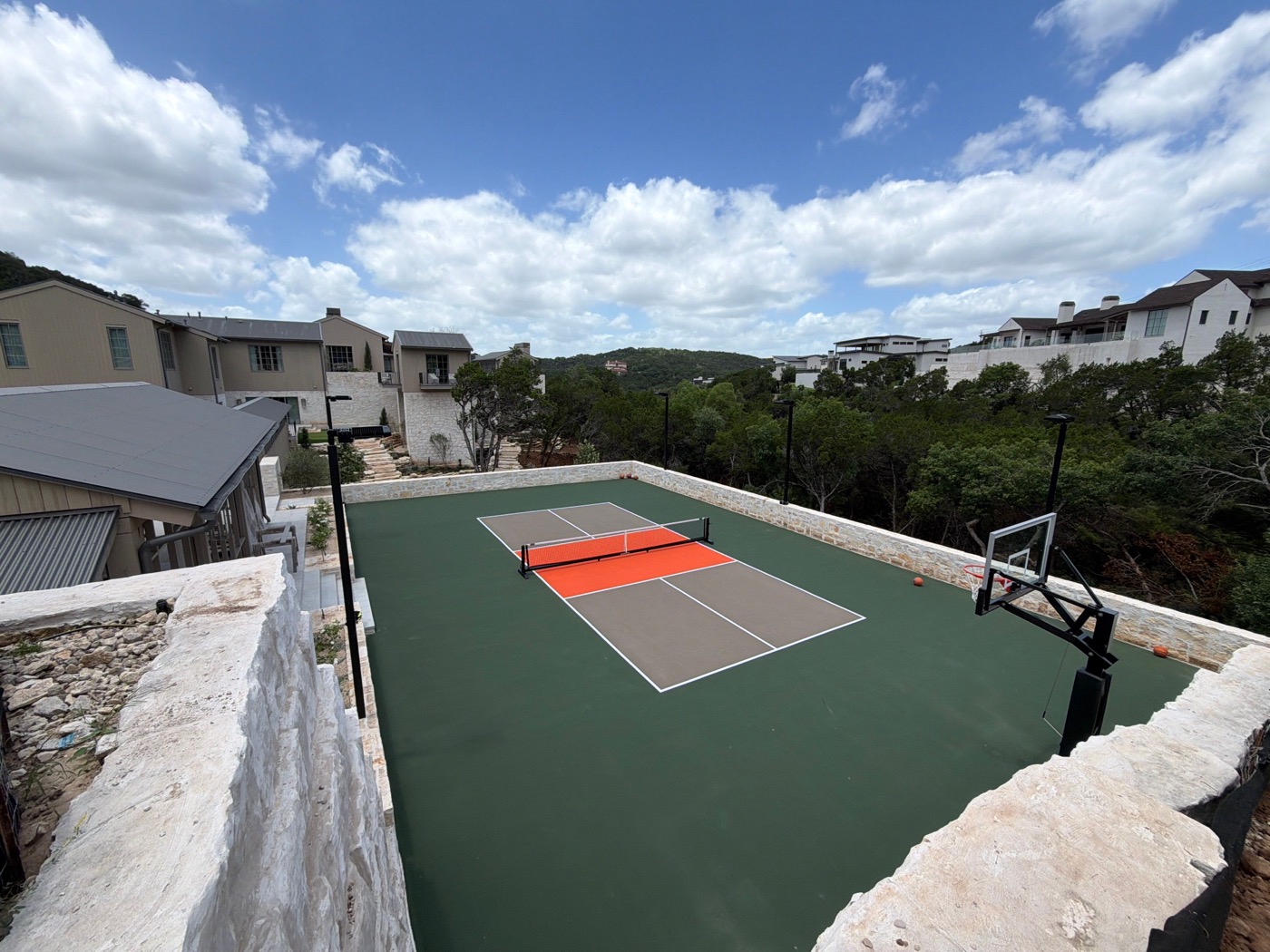
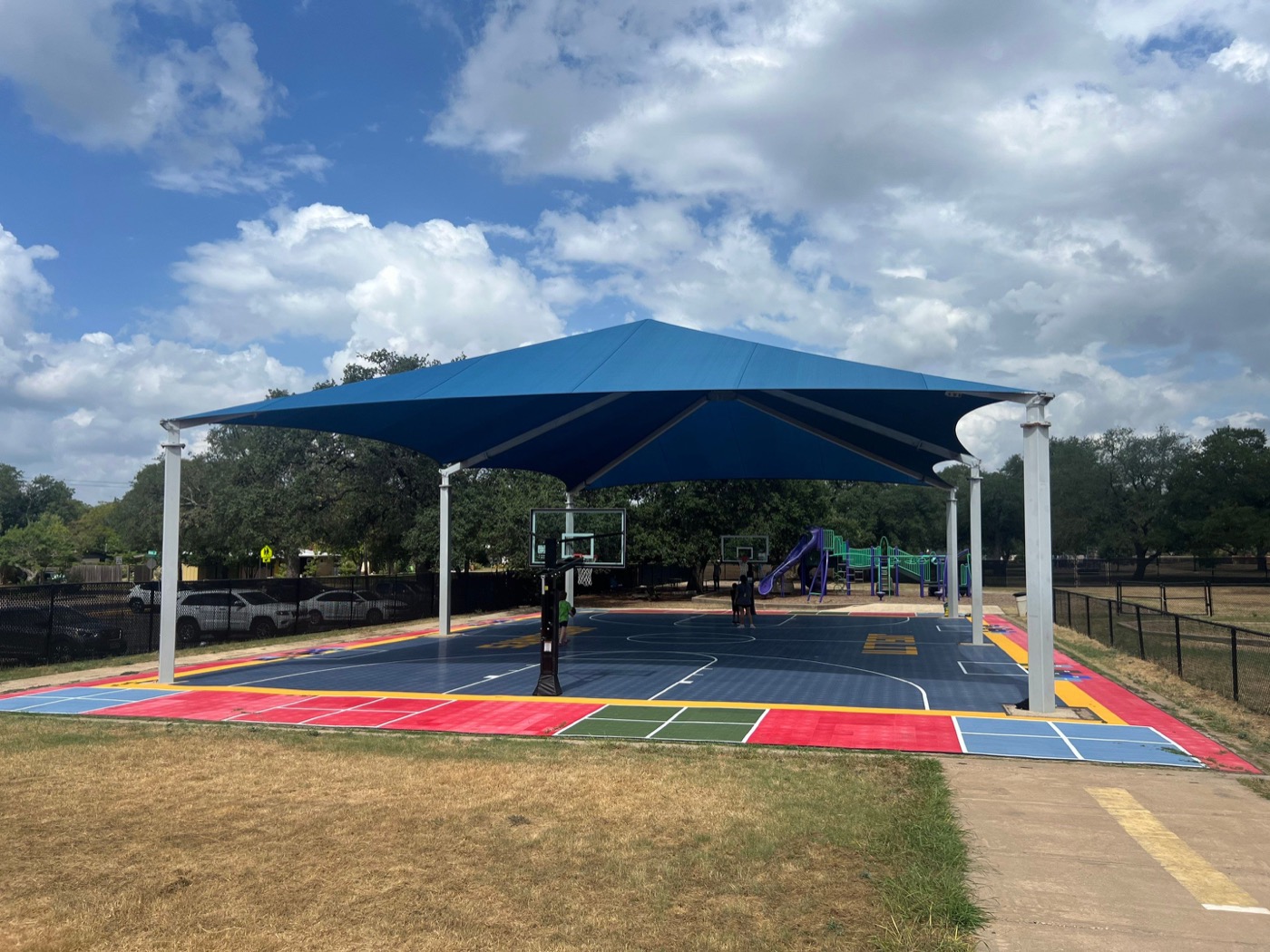
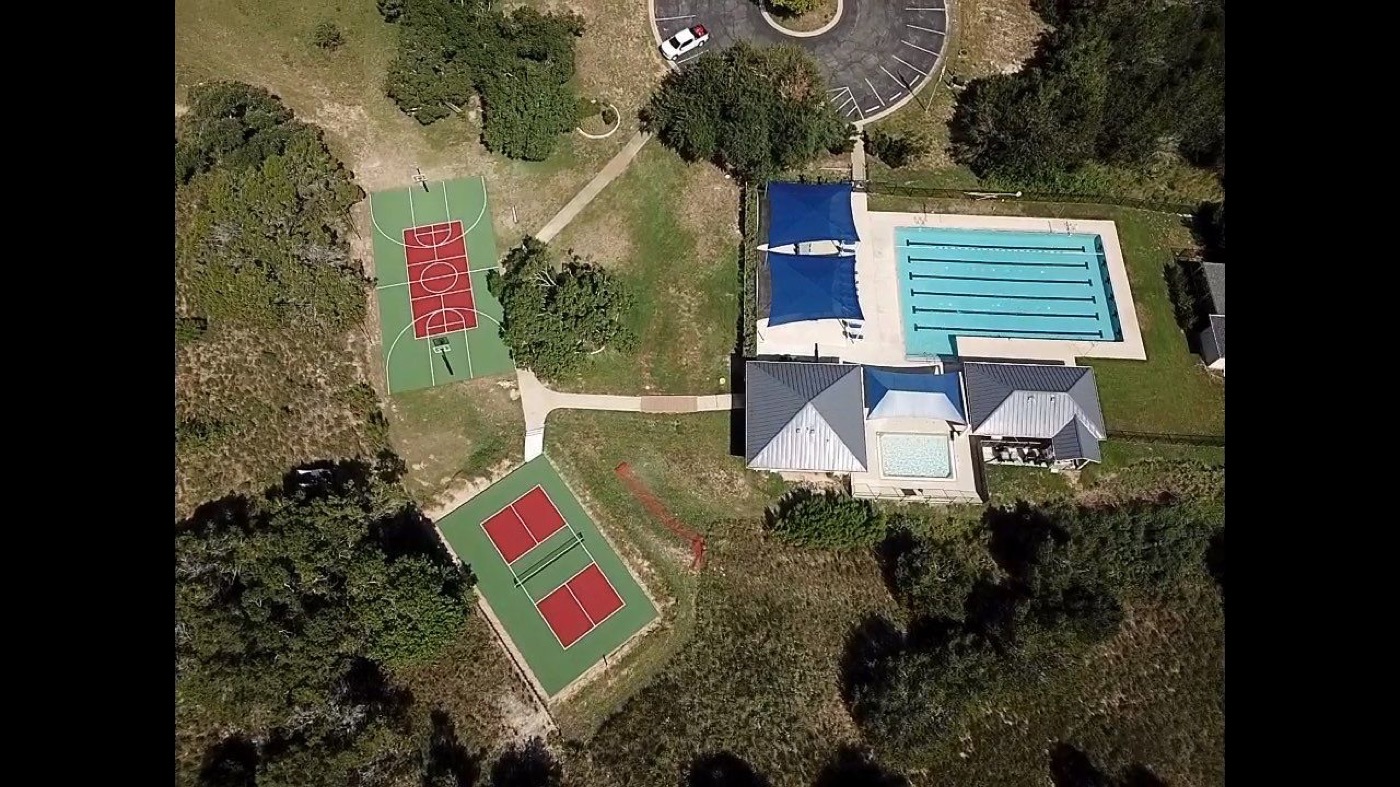
Courts JT has built
Talk to JT
Tell JT about your court. Your request goes to JT and to Courts Illustrated, so someone follows up either way.
We only share your details with the builder you're asking about. No spam, no selling your information.