 Courts Illustrated
Lone Star Game Courts
San Antonio game court contractor building backyard courts, school gyms and church recreation spaces across South Texas.
Company
Lone Star Game Courts
Service area: San Antonio & South Texas
At a glance
- HeadquartersSan Antonio, TX
- Phone(210) 241-0005
- Emaileric@lonestargamecourts.com
- Service areaSan Antonio, Laredo, Corpus Christi, Kingsville, Helotes, Schertz, Seguin, New Braunfels, Beeville, Bulverde
- Decades of hands-on indoor and outdoor court experience
- Primary focus on San Antonio and South Texas; takes inquiries nationwide
Notable work
- Gold's Gym Rogers Ranch, San Antonio: four indoor pickleball courts
- Laredo Athletic Complex: basketball, volleyball and futsal layouts
- Ben Garza Gymnasium, Corpus Christi: renovation with basketball, volleyball and pickleball lines
- Court of Legends, Helotes: training flooring and three goals
- First Baptist Church of New Braunfels: gym floor and wall pads after 2021 freeze flooding
- Hunt ISD gym floor
Builders

Videos
Open channel ↗
Starting a Game Court Overhaul
Sep 8, 2025
Game Court Rehabilitation Part 2
Sep 11, 2025
Game Court Rehabilitation Part 3a - Concrete
Sep 19, 2025
Game Court Rehabilitation Part 3b - Concrete
Sep 19, 2025
Game Court Rehabilitation Part 4 - Finishing the Details
Oct 3, 2025
Building You Own Pickleball Court
Sep 6, 2025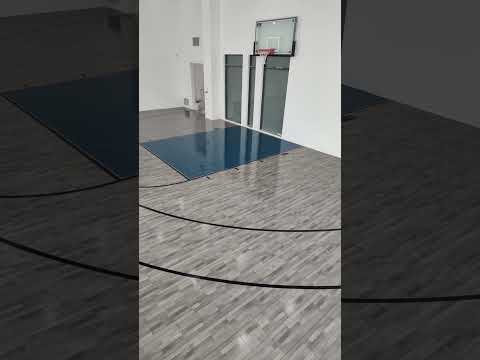
Sweet Home Basketball Court
Jul 22, 2025
Sport Court® Gym Floor Delivered
Jul 21, 2025
The Best Basketball Goal For Every Gym
In this video, we break down the Gared Sports Stationary Wall Mounted Basketball Goal — a professional, ultra-durable hoop system designed for gyms, schools, churches, recreational facilities, competition courts…
Jul 17, 2025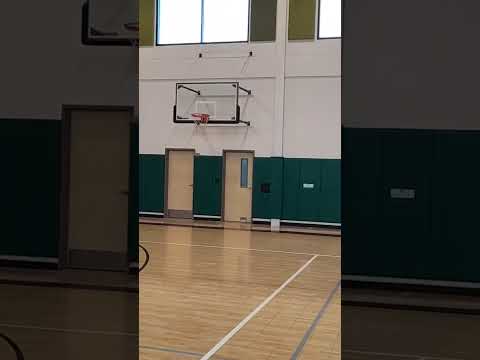
Installing More Gym Wall Pads
Jul 20, 2025
Adding Height Adjusters to the Basketball Goals
Jan 27, 2026
Pumping Concrete 500'
Dec 23, 2025Follow along
From their blog
- How Much Does a Backyard Game Court Cost?
Explains what drives the cost of a backyard game court. No single price is given. Lists sitework, concrete, drainage, fencing, lighting and landscape repair as cost factors, cites one site with about eight feet of slope, and says what to send for a quote.
- How Much Does an Outdoor Game Court Cost?
Breaks down what drives the cost of an outdoor game court. Names grading, base, concrete, fencing, lighting and freight as the main factors, compares acrylic with modular flooring, and discusses single versus multiple courts. No dollar figures are given.
- How Much Does an Indoor Game Court Cost?
Explains what goes into an indoor game court quote. Lists removal, base preparation, flooring, lines, goals and freight, compares floor-only quotes with full scope, and notes how existing floors and scheduling affect price. No dollar figures are given.
- What Is the Best Gym Floor for Your Facility?
Helps choose a gym floor for a facility. Names wood, resilient sheet, modular and rubber systems, lists the costs a quote should include, advises checking the base for moisture, flatness and cracks, and suggests separate zones when activities conflict.
- Multi-Sport Court Design: Can Basketball and Pickleball Share?
Asks whether basketball and pickleball can share one court. Covers choosing a practice area, half or full basketball court, color-coded lines for each sport, shared equipment such as goals and net posts, and scheduling shared use versus separate areas.
- Pickleball Court Construction: What to Know Before You Build
Explains what to know before building a pickleball court. Gives the marked area as 20 x 44 ft, notes the site needs more room for fencing and movement, and compares surfaces, fixed versus portable nets, fencing and lighting. No prices or timelines are given.
- Game Court Dimensions: Plan Your Court With Eric
Explains how to plan court dimensions for basketball, pickleball, volleyball and badminton, indoors or out. Stresses that the marked court is only part of the footprint and compares equipment, shared-use, spectator, divider curtain and existing-gym versus new-building needs.
- Outdoor Court Lighting: Planning for Basketball and Pickleball
Helps plan outdoor court lighting for basketball and pickleball. Compares solar with standard power, explains why wattage alone misleads, and lists poles, foundations, wiring and controls as part of the budget, with electrical work possibly contracted separately.
- Game Court Fencing: Ball Containment, Access, and Design
Explains how to plan fencing for a game court. Covers netting versus chain-link for ball containment, what affects cost (length, height, material, gates, site access), and how adding a windscreen changes loads on the fence. No measurements are given.
- Gym Wall Padding: What to Consider Before Installation
Explains what to consider before installing padding on gym walls. Covers site features such as doors, corners, columns and goals, what a quote should confirm, and a Laredo example where stone walls needed a separate framed mounting surface.
- PE Gym Floor Design That Supports Your Curriculum
Explains how to design a PE gym floor around the curriculum. Compares seating squares, permanent four-square and hopscotch markings against cones, contrasting floor pieces versus painted lines, and color-coded gathering areas versus consistent shapes and line styles, depending on class size and flooring system.
Talk to Lone Star Game Courts
Tell us about your court and where it is. We'll connect you with a verified builder who serves your area.
We only share your details with the builder you're asking about. No spam, no selling your information.
Sources: facts on this page come from Lone Star Game Courts's own website, checked 2026-11-25: /about-us/, /indoor-courts/, /ask-eric/, /contact. Spot something out of date? Request a change.